
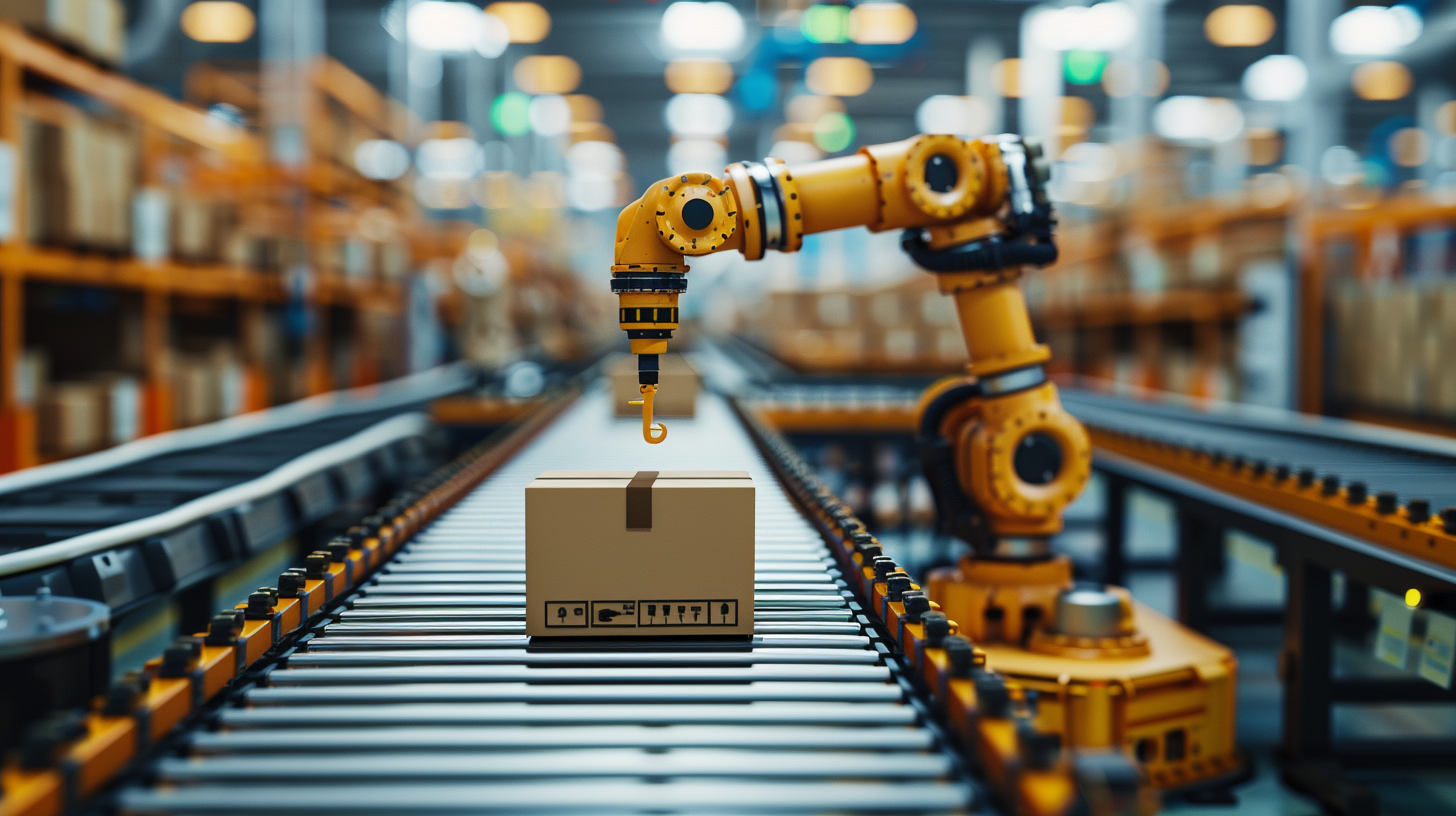
As the types of goods managed in the warehouse continue to increase and the frequency of in-outbound operations has surged, warehouse management operations have become more complex and diverse. The traditional manual warehouse operation mode and data collection methods can no longer meet the requirements of warehouse management. Therefore, the logistics industry demands more standardized and refined logistics and warehouse management to achieve control over the cargo storage process, thereby reducing costs and improving efficiency.
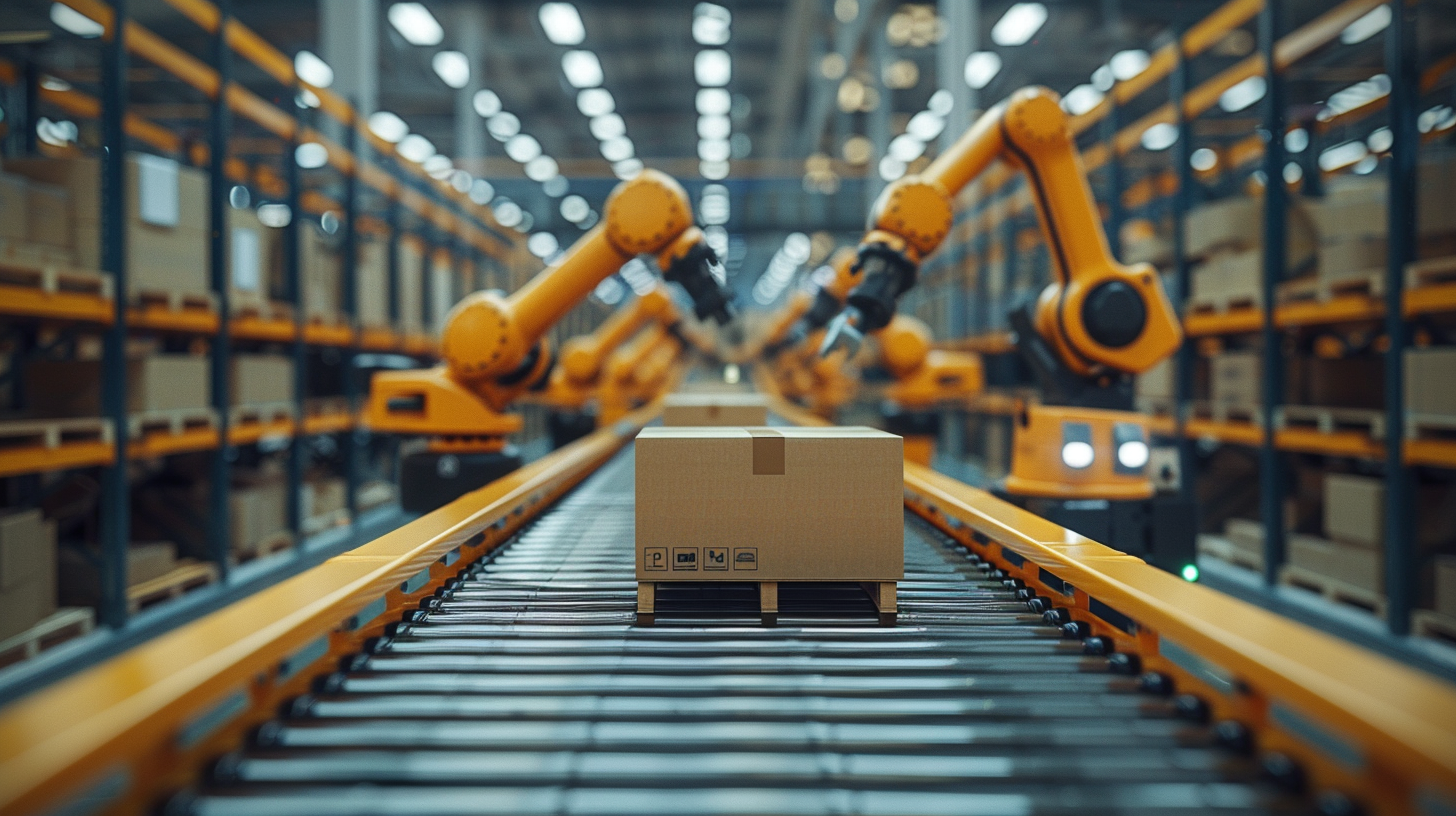
Using barcode, RFID technology, through handheld/vehicle-mounted terminals to collect information on in/outbound goods, and relying on wireless networks to achieve real-time data upload, effectively ensuring the speed and accuracy of data input in various links of warehouse management.
With the help of positioning technology, achieve real-time positioning of personnel, vehicles, and goods, plan work paths, dynamic scheduling and navigation of vehicles, and combine with the monitoring system to achieve full-process tracking and visualization of goods in the warehouse circulation process.
Using machine vision analysis and edge computing technology, by setting analysis strategies for warehouse monitoring equipment, real-time personnel and vehicle illegal entry and exit alarms are realized to ensure warehouse safety.
Through behavior and status analysis, early warning prompts can be made to avoid errors and ensure normal and orderly work.
Injects new vitality into the traditional freight forwarding operation process, enabling the operation of goods inbound, in-warehouse, and outbound to break away from the long-term dependence on labor and mechanical resources, and to meet the owner's operational needs for timeliness, safety, accuracy, and timeliness.
It has formed a leading demonstration effect in the second-level supervision warehouse area of the Capital Airport Customs, ensuring effective supervision of import and export goods by the customs.
It has created an intelligent application benchmark within the Sinotrans system, providing a reference model for optimizing processes, improving efficiency, and reducing costs for the management of many warehouses of Sinotrans.

Copyright © 2016-2026 Digital China Group Co., Ltd. All rights reserved.